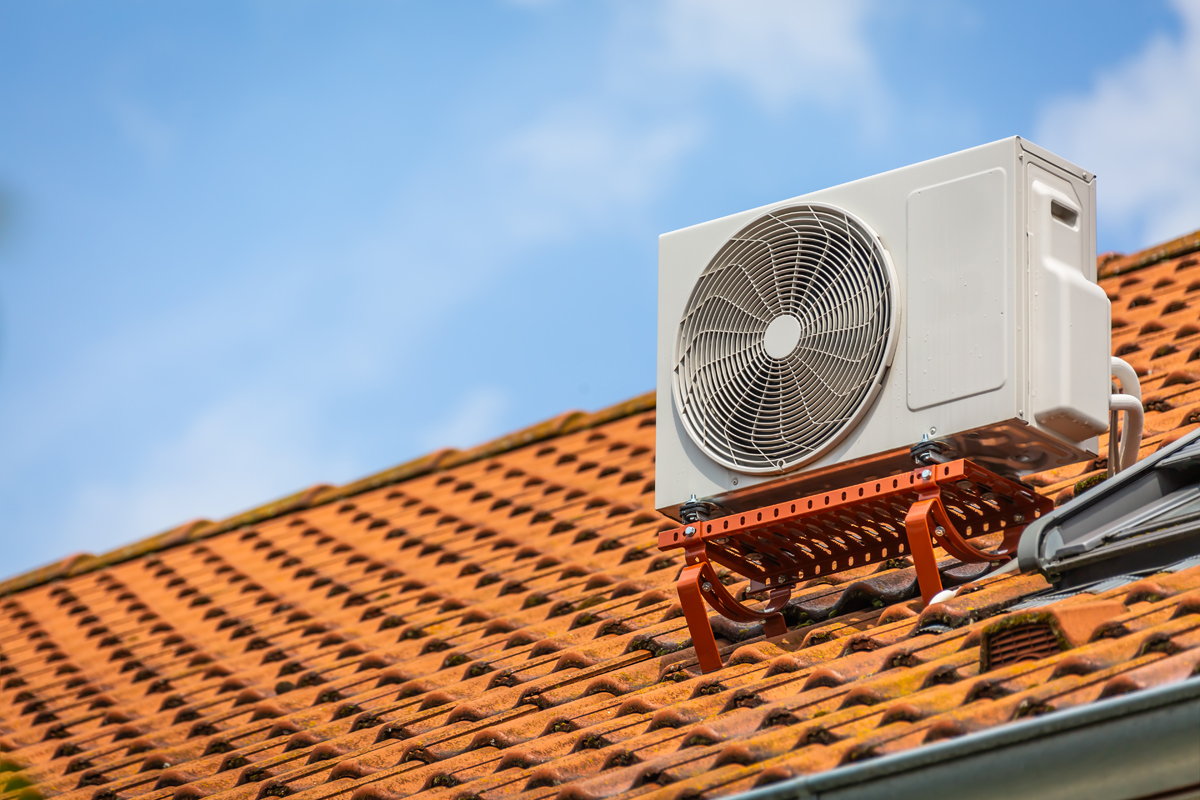
A rooftop air conditioner starts, runs for a few minutes, and shuts down. Soon it starts again. Meanwhile, the office is getting warmer and employees are lowering the thermostat in the hope that something changes. This repeated pattern is commonly called short cycling. It is not a normal response to a hot Phoenix afternoon. Commercial equipment may run for long periods in June, but each cycle should still last long enough to remove heat from the building. When the system repeatedly stops before finishing that job, something needs to be checked.
Restricted airflow can stop a cooling cycle early
Commercial HVAC equipment moves a large volume of air. A neglected filter, blocked return, dirty evaporator coil, or failing blower can reduce that movement. The system may then struggle to absorb heat and reach operating conditions that trigger a protective shutdown.
The problem is not always visible from inside the building. Supply vents may still produce some cool air even while airflow across the equipment is too low. Uneven temperatures, weak air at distant vents, or a unit that sounds different from usual can provide an early warning.
Electrical and control problems often look similar
A worn contactor, weak capacitor, loose connection, damaged sensor, or thermostat problem can interrupt operation without much warning. Phoenix rooftop units sit above hot roofing materials and face dust, vibration, and extended summer workloads. Those conditions can expose a component that was already beginning to fail.
Repeatedly resetting the thermostat or circuit breaker is not a repair. If a breaker trips again, leave it off and arrange service. Commercial HVAC equipment carries electrical hazards, and a protective control may be stopping the unit for a reason.
Refrigerant and equipment sizing require testing
Low refrigerant can affect pressure and cooling performance, but refrigerant does not simply disappear during normal operation. If the charge is low, a leak may need to be located. Adding refrigerant without understanding why it was lost can leave the original problem in place.
An oversized system may also cycle too quickly. It can cool the area near a thermostat before the rest of the building reaches a comfortable temperature. That possibility is especially worth considering when short cycling has existed since installation or began after the building layout changed. Measurements, operating history, and equipment specifications help separate a sizing concern from a repairable fault.
Short cycling affects more than comfort
Every startup places demand on motors, compressors, and electrical components. Frequent starts can add wear while the building remains uncomfortable. Restaurants, medical offices, retail stores, warehouses, and production facilities may also face operational disruption when cooling becomes unreliable.
Make a note of when the cycling occurs, which zones are affected, and whether the unit produces unusual sounds or odors. That information can help a technician reproduce the fault instead of arriving after the system has temporarily returned to normal.
Schedule commercial AC repair in Phoenix
Cascade Mechanical provides commercial and industrial HVAC service throughout Phoenix, Tempe, Scottsdale, Mesa, Gilbert, Chandler, and surrounding communities. Its services include air conditioning repair, chiller work, cooling tower service, pumps, heat exchangers, water source heat pumps, and preventative maintenance programs.
If your commercial AC system keeps starting and stopping, call Cascade Mechanical at 602 233 3265. Service coverage is available around the clock, allowing your business to arrange diagnosis before intermittent cooling turns into a complete shutdown.
Cascade Mechanical HVAC Services In Tempe, AZ
Need commercial AC repair in Phoenix Arizona? Call Cascade Mechanical, Inc. at 602-233-3265. We offer complete commercial HVAC services like chiller tube repair cooling towers, and heat exchangers to Scottsdale, Phoenix, Mesa, Gilbert, Chandler Arizona and more!